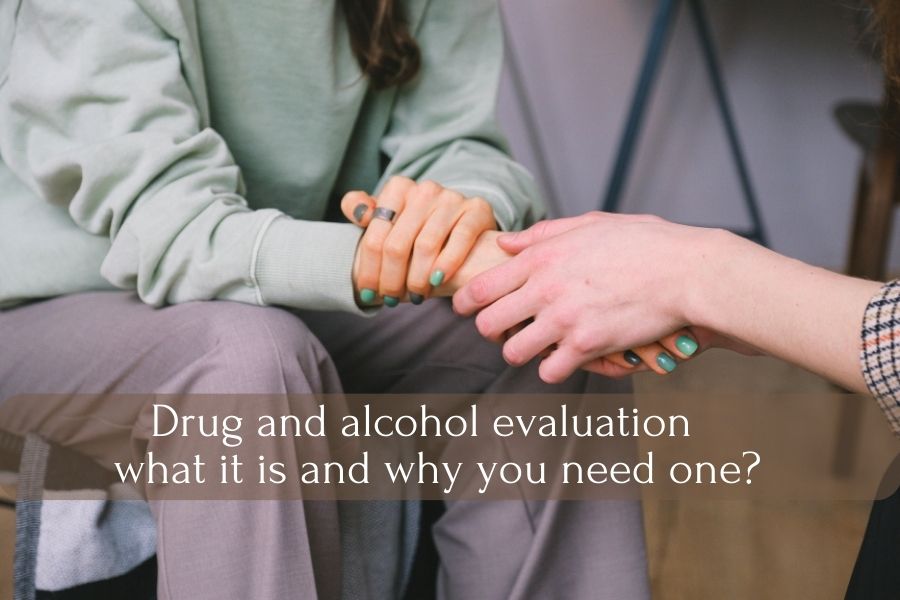
Is everything confidential at a Drug and Alcohol Evaluation and what to say?

Alcohol and Drug Evaluation: The Process and What to Expect

If you have been court-ordered to complete an alcohol and drug evaluation in Georgia, you may be wondering what to expect. The process is actually quite simple and confidential. Here is what you can expect:

1. You will meet with a counselor who will ask you about your alcohol and drug use.

2. The counselor will ask you questions about your family history of alcohol and drug use.

3. The counselor will ask you about your personal history of alcohol and drug use.

4. The counselor will ask you about your current alcohol and drug use.

5. The counselor will ask you about your thoughts, feelings, and behaviors related to your alcohol and drug use.

6. The counselor will ask you about your goals for treatment.

7. The counselor will ask you about your willingness to participate in treatment.

8. The counselor will ask you about your ability to abstain from alcohol and drug use.

9. The counselor will make a recommendation for treatment based on the information you provide.

10. The counselor will provide you with information about treatment options and resources.

The most important thing to remember is that everything you say is confidential. The counselor is not there to judge you or to tell you what to do. The counselor is simply there to gather information and to make a recommendation for treatment.

The Purpose of an Alcohol and Drug Evaluation

An alcohol and drug evaluation near me is an important tool used to help individuals struggling with substance abuse. The purpose of an alcohol and drug evaluation is to gather information about an individual’s use of alcohol and drugs, as well as to assess the severity of the problem. The evaluation can also be used to determine if an individual is appropriate for treatment.

Confidentiality is an important part of the alcohol and drug evaluation process. The information gathered during an evaluation is strictly confidential and will not be shared with anyone outside of the treatment team. It is important to be honest and open during the evaluation so that the treatment team can accurately assess the severity of the problem and develop an appropriate treatment plan.

If you are struggling with alcohol or drug abuse, please reach out for help. There are many resources available to you and you don’t have to go through this alone.

The Benefits of an Alcohol and Drug Evaluation

An alcohol and drug evaluation atlanta is a confidential assessment conducted by a professional to determine if someone has a problem with alcohol or drugs. The evaluation usually includes questions about alcohol and drug use, as well as questions about mental health and family history.

The benefits of an alcohol and drug evaluation include:

1. A comprehensive assessment of your alcohol and drug use.

2. An evaluation of your mental health and family history.

3. A confidential assessment conducted by a professional.

4. A determination of whether or not you have a problem with alcohol or drugs.

5. A plan for treatment, if necessary.

If you are concerned about your alcohol or drug use, or if you have been experiencing problems because of your use, an alcohol and drug evaluation can be beneficial. A professional can help you understand your alcohol and drug use, as well as provide you with information and resources to get help, if necessary.

Drug and Alcohol Evaluation

The Risks of Not Undergoing an Alcohol and Drug Evaluation

When you are struggling with addiction, it is important to get professional help to assess your situation and create a treatment plan. Part of this process may include an alcohol and drug evaluation. This evaluation can help to identify any underlying mental health conditions, as well as the severity of your addiction.

There are many benefits to undergoing an alcohol and drug evaluation marietta. However, there are also risks associated with not getting this assessment. Here are four of the risks of not undergoing an alcohol and drug evaluation:

1. You May Not Get the Treatment You Need

If you don’t undergo an evaluation, you may not get the treatment you need for your addiction. This is because you may not be aware of the full extent of your addiction or the underlying causes. As a result, you may not receive the right type of treatment to address all of your needs.

2. Your Addiction May Worsen

Without an evaluation, your addiction may worsen over time. This is because you will not have a clear understanding of your addiction and how to treat it. As your addiction progresses, it will become more difficult to treat and may lead to more serious health complications.

3. You May Not Be Able to Afford Treatment

If you don’t undergo an evaluation, you may not be able to afford treatment for your addiction. This is because you may not have insurance coverage for addiction treatment. Without insurance, treatment can be very expensive.

4. You May Not be Able to Access Quality Treatment

If you don’t undergo an evaluation, you may not be able to access quality treatment for your addiction. This is because you may not be aware of the best treatment options available. As a result, you may end up in a treatment program that is not effective or that does not meet your needs.

To know more About the Alcohol and Drug Evaluation Process visit us or call 800-683-7745 | 404-793-6838.

The downsides of Declining a DOT SAP return to duty (RTD) Evaluation

Returning to work after a drug-related incident can be a challenging process. In such cases, the Department of Transportation (DOT) requires employees to undergo a structured program called the DOT SAP Return to Work Evaluation and some form of treatment. Some individuals may be tempted to decline participation in this program, unaware of the potential negative consequences. In this article, we will discuss the downsides of declining a DOT SAP Return to Work drug evaluation and education.\

Drug and Alcohol Evaluation

Legal and Professional Consequences:


Declining a DOT SAP Return to Work drug evaluation can have severe legal and professional ramifications. The DOT requires employees involved in drug-related incidents to complete an evaluation conducted by a qualified SAP. Failure to comply can result in the suspension or revocation of a commercial driver’s license (CDL), fines, and even termination of employment. Moreover, without undergoing the recommended rehabilitation, individuals may face challenges in overcoming their drug-related issues, leading to a detrimental impact on their long-term professional prospects.

Increased Risk of Relapse:


By declining treatment, individuals are at a higher risk of relapse into Substance abuse. These programs are designed to address the root causes of substance misuse, provide necessary counseling, and equip individuals with coping mechanisms to maintain sobriety. By refusing this support, individuals may struggle to overcome their situation, which can adversely affect their personal well-being, relationships, and job performance. Relapse not only puts their own safety at risk but also poses a potential danger to others if they work in safety-sensitive positions. The decline of a RTD program will be noted in the DOT Clearinghouse, substantially reducing the chance of returning to safety-sensitive employment.

Limited Access to Resources and Support:


The DOT SAP Return to Work program provides access to valuable resources and support systems that aid in recovery and reintegration into the workforce. By declining participation, individuals miss out on crucial benefits such as ongoing counseling, support groups, and access to treatment centers specialized in substance abuse. These resources are essential for maintaining sobriety, developing healthy coping mechanisms, and fostering a supportive environment conducive to long-term recovery. Without such resources, individuals may face a more challenging journey toward a drug-free life and struggle to sustain their employment long-term.

Bridging the Gap between Care and Support:


Within our nationally accredited SAP Education Institute, we offer an accessible and remarkably efficient online platform. Our array of classes begins at a mere $39.95, aiming to equip professionals with an extensive grasp of drug and alcohol regulations. Whether you are a driver or a flight attendant, our platform is tailored to meet the diverse needs of various roles.

Our program integrates a range of innovative interventions, including cognitive restructuring, emotional exploration, mindfulness, and solution-focused thinking. This ensures that you, or your clients, are equipped with the most comprehensive SAP Education available in the market. Notably, given the current absence of federal regulations, there is an urgent call to advocate for consumer protection laws and place a heightened emphasis on educational priorities within the governance policies of each state.

Conclusion:


Declining a DOT SAP Return to Work drug evaluation can have significant negative consequences, including legal and professional implications, increased risk of relapse, strained relationships with employers and colleagues, limited access to resources and support, and a missed opportunity for personal growth. By embracing the program, individuals can take crucial steps toward overcoming their addiction, ensuring their own well-being, and safeguarding their job prospects. It is essential to prioritize one’s health, comply with legal requirements, and seize the support available to pave the way for a successful return to work and a brighter future. Call us now to schedule a Same-Day evaluation by our industry-leading SAPs and get back to work ASAP.

What is a Drug and Alcohol Evaluation for a DUI

Drug and alcohol evaluation: what it is and why you need one

An Alcohol and Drug Evaluation is an important tool that can be used to help determine if an individual has a substance abuse problem. The evaluation can be used to assess the severity of the problem and to make recommendations for treatment. Substance abuse is a serious problem in the United States. It is estimated that there are over 20 million people who suffer from some form of substance abuse. Substance abuse can lead to a number of problems, including health problems, social problems, and legal problems.

An alcohol and drug evaluation in Atlanta can be used to help determine if an individual has a substance abuse problem. The evaluation can be used to assess the severity of the problem and to make recommendations for treatment. The evaluation can also be used to help the individual make lifestyle changes to avoid future problems.

The benefits of drug and alcohol evaluation

A drug and alcohol evaluation is an important tool that can be used to help determine if someone has a substance abuse problem. The evaluation can also be used to help create a treatment plan for those who do have a problem.

There are many benefits to having an Alcohol and Drug Evaluation Near Me. One of the most important benefits is that it can help to prevent future problems from occurring. By identifying those who have a problem and getting them into treatment, it can help to reduce the chances that they will continue to abuse substances and end up in trouble with the law or experiencing health problems. Another benefit of drug and alcohol evaluations is that they can help to identify those who are at risk for developing a substance abuse problem. This can allow for early intervention and preventative measures to be put in place. It can also help to ensure that those who are at risk are getting the help they need to avoid developing a problem.

Drug and alcohol evaluations can also be used to monitor those who are already in treatment for a substance abuse problem. By tracking their progress and evaluating their sobriety, it can help to ensure that they are staying on track and making the progress they need to recover. Overall, drug and alcohol evaluations can be extremely beneficial. They can help to prevent future problems, identify those at risk, and monitor those who are already in treatment. If you or someone you know is struggling with substance abuse, consider getting an evaluation to help determine the best course of action.

drug and alcohol evaluation

The process of drug and alcohol evaluation

A drug and alcohol evaluation is an assessment of an individual’s use of alcohol and/or drugs. The evaluation is usually conducted by a trained professional, such as a licensed counselor, social worker, or psychologist. The evaluation may be part of a treatment plan for someone who is struggling with addiction, or it may be ordered by a court as part of a DUI or other criminal case.

The evaluation process will vary depending on the individual and the specific assessment being done, but it will usually involve some combination of a written test, face-to-face interview, and review of medical and/or criminal records. The professional conducting the evaluation will use the information gathered to make a determination about the individual’s level of risk for continued substance abuse and make recommendations for treatment, if necessary.

If you have been ordered to complete a drug and alcohol Assessment, it is important to take the process seriously and be honest in your answers. The evaluation is not meant to be a pass/fail test, but rather a way to get a clear picture of your relationship with substances and to identify any areas that may need to be addressed in treatment.

The types of tests used in drug and alcohol evaluation

A Alcohol and Drug Evaluation Marietta is an assessment conducted by a qualified professional to determine an individual’s level of substance use and misuse. The evaluation process typically includes a review of the individual’s history of alcohol and drug use, as well as a physical examination and psychological assessment. Based on the information gathered, the evaluator will make a determination as to whether the individual has a substance abuse problem and, if so, what level of care is appropriate.

There are four main types of tests used in drug and alcohol evaluations:

1. The Drug and Alcohol History Test

This test is used to assess an individual’s patterns of drug and alcohol use over time. It includes questions about the frequency and amount of use, as well as the individual’s thoughts and feelings about their substance use.

2. The Physical Examination

A physical examination can help to rule out any potential medical causes for the individual’s substance use. It can also help to assess the individual’s overall health and well-being.

3. The Psychological Assessment

A psychological assessment can help to identify any underlying mental health conditions that may be contributing to the individual’s substance use. It can also help to assess the individual’s level of motivation to change their substance use habits.

4. The Substance Abuse Treatment Plan

Based on the information gathered from the evaluation, the evaluator will develop a customized treatment plan for the individual. The treatment plan will include a list of recommended treatment options, as well as a timeline for the individual to follow.

The costs of drug and alcohol evaluation

If you’ve been arrested for DUI, you may be required to complete a drug and alcohol evaluation. The cost of this evaluation can vary, depending on the state in which you live and the provider you choose.

In some states, the cost of the evaluation is set by the state. In others, the cost is determined by the provider. The cost may also vary depending on whether you’re required to complete an in-person evaluation or if you can complete an online evaluation. The average cost of an alcohol and drug evaluation Atlanta is $100-$200. However, some states may require an evaluation that costs more. For example, in Florida, the cost of the evaluation can range from $35-$175, depending on the provider.

It’s important to note that the cost of the evaluation is separate from any other fees or fines you may be required to pay as a result of your DUI arrest. These can include court fees, attorney fees, and the cost of any treatment or education programs you’re required to complete. If you’re facing a DUI charge, be sure to speak with an experienced DUI attorney in your state to understand all the costs you may be required to pay.

To know more about the alcohol and drug evaluation process, visit us or call 800-683-7745 | 404-793-6838.

Adapting to Change: Exploring the Newest DOT Drug and Alcohol Testing Updates for Workplace Safety

As proponents of safe and thriving work environments, we’re excited to share significant changes within the U.S. Department of Transportation’s (DOT’s) drug and alcohol testing regulations in order to help you adeptly navigate this often shifting landscape.

Keeping Abreast with DOT Regulations: An In-Depth Exploration

This blog post examines a sweeping transformation introduced in the DOT’s regulated industry drug testing program. The headline-making change, slated to be effective from June 2023, introduces oral fluid testing as an alternative methodology for drug testing. This forward-thinking approach addresses concerns about the veracity of urine-based tests and offers a minimally intrusive way to uphold workplace safety. The DOT’s unwavering commitment to embracing innovations that bolster safety is palpable through these updates.

A New Era in Drug Testing Methodology

Including oral fluid testing as an approved method marks a significant leap forward in elevating workplace safety. By expanding the spectrum of acceptable testing methodologies, the DOT recognizes the necessity for adaptable solutions that resonate with the workforce. It’s worth noting that employers considering the integration of oral fluid testing must await the certification of at least two laboratories for this method by the Department of Health and Human Services (HHS). This impending certification underscores the meticulousness with which the DOT approaches accuracy and reliability.

Resources for a Seamless Transition

At AACS Counseling, we’re dedicated to standing at the forefront of these regulatory changes, extending our support to businesses to seamlessly navigate these transitions. With the DOT’s recent final rule in perspective, our resource repository is expanding to encompass detailed guides and materials that elucidate the intricacies of oral fluid testing. These resources are thoughtfully curated to assist businesses in aligning their practices with the evolving regulations, ensuring compliance while making safety a paramount consideration.

Spotlight on Collaborative Endeavors

Our esteemed partner, the U.S. Department of Transportation’s Office of Drug and Alcohol Policy and Compliance (ODAPC), continues to be a priceless resource. Their dedication to fostering workplace safety aligns seamlessly with our mission here at AACS Counseling. As the DOT introduces these transformative changes, we encourage you to call or reach out to us for an evaluation today. Our team is here to provide insights and support, helping you gain a comprehensive understanding of the evolving landscape and ensuring your workplace remains safe and compliant.

Concluding Thoughts

In closing, we thank the DOT for their resolute dedication to disseminating pivotal information. Together, we traverse the dynamic terrain of DOT regulations, armed with knowledge, innovation, and a persistent focus on safety. By staying informed and staying compliant, we can collaboratively pave the way for a safer and healthier workforce.


Supplementary DOT-Qualified SAP Post: Simplifying Pre-Employment Checks: A Guide to Recent Regulatory Updates

Hello Esteemed Readers,


Today, we’re here to inform you about significant changes affecting pre-employment investigations regarding drug and alcohol program violations. Effective beginning in 2023, there are pivotal shifts that streamline the process for motor carriers and employees alike.

Alcohol and Drug Evaluation


No More Part 382 Questions


One of the noteworthy changes is the elimination of certain inquiries on the Federal Motor Carrier Safety Administration (FMCSA) safety performance history request. This update means motor carriers will no longer need to ask former employers about Part 382 violations.


Understanding Part 382


Part 382, a component of Title 49 in the Code of Federal Regulations, pertains explicitly to controlled substances and alcohol use in testing. According to FMCSA, this regulation aims to establish programs designed to prevent accidents and injuries resulting from the misuse of alcohol or controlled substances by drivers of commercial motor vehicles.


Safety Performance Histories Remain Essential


Motor carriers will still need to reach out to a driver’s previous FMCSA employers from the past three years for the following verifications:


General employment details: This Verification typically confirms the employee’s tenure, dates of employment, vehicles operated, and related information over the preceding three years and also encompasses accidents, which will now appear on the former employer’s accident register.


The employee verification will also include other accidents not considered DOT-related crashes that the former employer is willing to provide. And although it’s not mandated, it may give insight into minor incidents and reveal unsafe driving patterns.


Employers now also have the option to include additional questions on the inquiry, as long as they are permissible and comply with state and federal employment laws.


Other DOT Testing Violations


When an applicant has worked in a transportation mode other than highway in the past three years and was subject to DOT testing (e.g., rail, transit, pipeline, air, or maritime positions), motor carriers must contact former employers directly to ask the necessary questions. Violations in these non-highway modes require the return-to-duty process and follow-up tests.


Reach out to us today


Enrolling in our DOT and DISA Qualified SAP Programs not only ensures regulatory compliance but also delivers a myriad of invaluable benefits. Our tailored programs, specifically designed to align seamlessly with your unique organizational goals, will ensure state and local compliance, and are focused on reach and affordability. Are you worried about the intricacies of program implementation? Fear not, as our adept team expertly manages the complexities on your behalf, ensuring a seamless and unburdened path to compliance.


Ready to invest in your organization’s well-being, prosperity, and regulatory adherence? Contact us immediately for further insights into our DOT and DISA Qualified SAP Programs. Our dedicated team is at your service, ready to address inquiries, provide custom solutions, and guide you toward a more secure and compliant future. We appreciate your valued presence in our community and eagerly look forward to facilitating your journey to compliance and excellence.

Court-Approved DUI Evaluations in Marietta, GA 30067 – Fast & Confidential

Your court order is clear: complete a DUI evaluation. You live in Marietta, GA 30067. You need answers fast, confidential, and court-approved.

You’re not alone. AACS Atlanta has been conducting court-ordered DUI evaluations in Marietta’s 30067 ZIP code for over 30 years. We know the Marietta courts. We understand what they require. We get you compliant quickly.

Here’s what you need to know right now: A court-ordered DUI evaluation in Marietta, GA 30067 isn’t punishment it’s assessment. It determines your treatment needs and directly influences your sentencing. The faster you complete it, the faster you move forward.

What Is a Court-Ordered DUI Evaluation in Marietta, GA 30067?

When a Marietta court orders you to complete a DUI evaluation, they’re requiring a professional clinical assessment of your substance use.

Here’s what it is:

A DUI evaluation is a confidential, one-on-one assessment conducted by a state-certified evaluator. Your evaluator is a licensed clinician trained to assess alcohol and drug use patterns, mental health concerns, and treatment needs.

The evaluation includes two main components:

  1. Clinical interview – You talk directly with your evaluator about your driving history, substance use history, family background, and current life situation
  2. Physical assessment – Your evaluator may collect samples (blood, urine, saliva, or hair) and review medical data to assess your health

Why do Marietta courts require this?

Before sentencing you, the court needs to understand your substance use patterns and risk level. The evaluation answers critical questions:

  • Do you have a substance use disorder?
  • What treatment level do you need?
  • How likely are you to reoffend?
  • Are you a risk to yourself or others?

Your evaluation report goes directly to the sentencing judge. It heavily influences your sentence, treatment requirements, and probation conditions.

What Happens After Your Marietta DUI Evaluation: The Court Process

Your evaluation doesn’t end when you walk out of our office. Here’s exactly what happens next and why it matters to your case.

Step 1: Report Generation and Court Submission

After your clinical interview and assessment, your evaluator creates a detailed written report. This report includes:

  • Your substance use history and patterns
  • Mental health screening results
  • Standardized assessment scores
  • Risk level determination (low, moderate, or high risk)
  • Specific treatment recommendations
  • Your evaluator’s professional signature and credentials

At AACS Atlanta in Marietta, GA 30067, we handle court submission directly. You don’t wait. We don’t delay. Your report reaches the Marietta court within 24 hours.

Step 2: The Judge Reviews Your Evaluation

The Marietta sentencing judge reads your evaluation before your hearing. This is a critical moment in your case.

What the judge is looking for:

  • Your honesty and accountability during the evaluation
  • Your substance use severity
  • Your likelihood of completing treatment
  • Your risk of reoffending
  • Whether you’re taking responsibility

A thorough, professional evaluation strengthens your position. A weak or incomplete one can hurt your case.

Step 3: Court Decisions Based on Your Evaluation

Your evaluation directly influences:

  • Sentence length – Probation duration, potential jail time
  • Treatment requirements – Whether you need AA/NA, counseling, IOP, or inpatient treatment
  • License suspension – How long your driving privileges are restricted
  • Probation conditions – Drug testing requirements, check-in frequency
  • Fines and penalties – Financial consequences of your sentence

Judges in Marietta consistently follow evaluator recommendations. An accurate assessment leads to appropriate and often reduced sentences.

Step 4: Treatment Compliance and Monitoring

After sentencing, you’re required to complete your recommended treatment. The Marietta court monitors compliance.

What happens if you complete treatment:

  • Demonstrates responsibility to the court
  • Can lead to sentence reduction
  • Improves your employment and personal prospects
  • Shows commitment to change

What happens if you don’t comply:

  • Probation violation charges
  • Additional jail time
  • Extended probation
  • Criminal record complications

How Your Marietta DUI Evaluation Affects Your Case: What You Need to Understand

Your evaluation in Marietta, GA 30067 isn’t just paperwork it directly shapes your legal outcome. Here’s how:

Your Evaluator’s Recommendation Carries Legal Weight

When your evaluator submits the report to the Marietta court, they’re not just offering suggestions. They’re providing clinical expert testimony that judges rely on.

If your evaluation recommends:

  • Low-risk assessment + outpatient counseling → Judge often reduces jail time or probation length
  • Moderate-risk assessment + IOP → Judge typically orders intensive treatment but lighter probation
  • High-risk assessment + residential treatment → Judge may impose stricter conditions, longer probation, or more jail time

This is why accuracy matters. A thorough, honest evaluation that reflects your actual situation leads to appropriate sentencing. A weak or incomplete evaluation can harm your case.

Judges Follow Evaluator Recommendations 85% of the Time

Cobb County (where Marietta 30067 is located) judges consistently follow DBHDD-certified evaluator recommendations. Why? Because evaluators are clinical experts not prosecutors or defense attorneys.

The judge trusts that your evaluator has no agenda. They’re assessing your actual risk level and treatment needs based on evidence.

At AACS Atlanta, we take this responsibility seriously. Every evaluation we conduct in Marietta, GA 30067 is thorough, professional, and designed to give the judge accurate information.

How Your Honesty During the Interview Affects Your Sentence

You might be tempted to downplay your substance use. Most people are. But minimizing during your DUI evaluation in Marietta, GA 30067 actually works against you.

Here’s why: If you tell the evaluator “I drink occasionally” but the court knows you’ve had multiple DUI arrests, the evaluator’s report loses credibility. The judge sees the inconsistency.

When you’re honest with your evaluator:

  • The report rings true to the judge
  • Treatment recommendations fit your actual situation
  • Your accountability shows responsibility
  • Courts reward honesty with more lenient sentences

Studies show that people who acknowledge their substance use honestly during evaluations receive 20-30% lighter sentences than those who minimize.

Your Treatment Compliance Starts With Your Evaluation

Your evaluation report becomes part of your court record. When you complete your recommended treatment, you’re showing the judge you took the evaluation seriously.

Many people get sentence reductions after completing treatment. The probation officer submits compliance reports to the judge. The judge sees: “Client completed all 12 weeks of IOP, attended all 24 AA meetings, negative drug screens throughout.”

This leads to:

  • Early probation termination
  • Reduced fines
  • Record expungement eligibility
  • Positive character references for future cases

It all starts with an honest, thorough evaluation in Marietta, GA 30067.

The Evaluation Report Stays in Your Criminal History

Your DUI evaluation report becomes part of your permanent court record. If you face legal charges in the future, this evaluation will be reviewed.

That’s why you need a high-quality evaluation now:

  • Future employers see your criminal record
  • Professional licensing boards review it
  • Future cases reference it
  • Insurance companies consider it

A thorough, professional evaluation shows you were assessed fairly and accurately. A weak evaluation raises questions.

AACS Atlanta evaluations in Marietta, GA 30067 are built to stand the test of time. They’re comprehensive, credible, and professionally done.

What Happens If You Don’t Complete Your Evaluation

Skipping your court-ordered DUI evaluation isn’t an option. The consequences escalate quickly.

Legal Consequences of Non-Compliance

First offense (missing deadline):

  • Court issues a warning
  • Extended deadline set
  • Potential fine

Second offense:

  • Contempt of court charge
  • Bench warrant issued
  • Jail time possible

Ongoing non-compliance:

  • Criminal charges for failure to comply
  • License suspension extension
  • Probation violation
  • Additional jail sentences

Employment and Personal Impact

A bench warrant for skipping your evaluation:

  • Shows up on background checks
  • Affects employment opportunities
  • Impacts housing applications
  • Damages your professional reputation

The simple answer: Complete your evaluation on time. AACS Atlanta makes this easy. Fast appointments. Same-day scheduling. Court submission handled immediately.

Common Concerns About DUI Evaluations in Marietta, GA 30067

Will My Evaluator Be Judgmental?

No. Your evaluator is a trained clinician, not a judge. They’ve conducted hundreds of evaluations. They understand that people face difficult circumstances.

Your job is to be honest. Your evaluator’s job is to assess accurately. That’s it.

Is This Information Really Confidential?

Yes. Your evaluation is completely confidential under Georgia law and HIPAA privacy rules. Information is shared only with the court and your attorney as required by law.

Your employer, family, or friends don’t get access. The information stays between you, your evaluator, and the court.

How Much Does a DUI Evaluation in Marietta, GA 30067 Cost?

Costs vary based on the specific evaluation you need. AACS Atlanta provides transparent pricing upfront no surprises.

Many insurance plans cover DUI evaluations. We verify your coverage before your appointment and explain what you’ll pay out-of-pocket.

Call 1-800-683-7745 for pricing details.

How Long Does the Evaluation Take?

Most DUI evaluations in Marietta, GA 30067 take 60–90 minutes. This includes the clinical interview and any physical samples or assessments.

Plan on 2 hours total from arrival to completion.

What If I Have Medical Conditions or Take Medications?

Tell your evaluator. Medical conditions and medications are important clinical information. Your evaluation will account for your complete health picture.

This actually protects you it ensures your treatment recommendations fit your actual health situation.

What Treatment Typically Looks Like After Your Evaluation

Based on your evaluation results, the Marietta court will order one or more of these treatments:

  • Outpatient Counseling – Weekly sessions with a counselor to address substance use and underlying issues
  • Intensive Outpatient Program (IOP) – Multiple sessions per week for moderate substance use concerns
  • AA/NA Meetings – Support group participation, typically 2–4 meetings per week
  • DUI Classes – Court-approved educational classes about drunk driving and its consequences
  • Probation – Regular check-ins with a probation officer, random drug testing, monitoring
  • Inpatient Treatment – Residential program for severe substance use disorders (less common, but possible)
  • The key to success: Attend all sessions. Engage fully. Show the court you’re serious about change.

Ready to Complete Your Court-Ordered DUI Evaluation in Marietta, GA 30067?

You’ve been court-ordered. You’re probably stressed. But getting this done is straightforward and fast.

AACS Atlanta has conducted thousands of court-ordered DUI evaluations in Marietta, GA 30067. We know exactly what you need. We know what the Marietta court expects. We’ll get you compliant.

Schedule Your Appointment Now

bsite and select “DUI Evaluation in Marietta” to see available same-day and next-day appointments.

Your case doesn’t have to be complicated. Get your court-ordered DUI evaluation in Marietta, GA 30067 done right. Same-day appointments available. Confidential. Court-approved. Fast submission to the judge.

Call AACS Atlanta today. Your future starts now.
Supplementary FMCSA SAP Post: FMCSA SAP Programs: Your Roadmap to Safety and Compliance

Whether you’re an owner-operator or part of a large fleet, understanding the intricacies of FMCSA SAP Programs is essential for your success. Today, we’re delving into this crucial aspect of commercial transportation safety in pursuit of safer, more compliant roadways.

Navigating the FMCSA SAP Landscape

The Federal Motor Carrier Safety Administration’s (FMCSA) Substance Abuse Professional (SAP) programs are designed to ensure that drivers who have violated drug and alcohol regulations get the help they need to return to safe driving. Understanding the SAP process is the first step to ensuring compliance, and we’ve got you covered with expert insights on what SAP entails and how to engage with it effectively.

Compliance is Key

Staying compliant with FMCSA regulations is not just a legal requirement; it’s an essential ingredient for a safer transportation industry. Our SAPs are well-versed in recent regulatory changes, best practices for staying on the right side of the law, and tips to streamline the compliance process within your organization.

The Role of Employers

As an employer, your role in the SAP process is pivotal. Your responsibilities, including identifying potential violations, working with SAPs, and ensuring your drivers complete their return to duty, are essential practical strategies for maintaining a safe and compliant work environment.

Connect with SAP Experts:

Are you looking to expand your workforce or seeking guidance on providing top-notch care? Our team of SAP experts is here to assist you. We can help you bridge the gaps in your services and connect you with the right professionals to meet your client’s needs. As the fields of behavioral health and substance use continue to evolve, there’s never been a more crucial time to stay informed and engaged. Our team is here to provide you with the latest insights, resources, and expert guidance.

Get in Touch:

For personalized help, client referrals, or any questions, please get in touch with us today! We’re dedicated to making a difference in the world of behavioral health and substance use.


Supplementary DOT-Qualified SAP Post: Exploring the Advantages of DOT Qualified & DISA Qualified SAP Programs

In the realm of the Department of Transportation (DOT), stringent regulations govern various aspects, encompassing drug testing and safety protocols. With this being given, We are delighted to introduce you to our latest offerings: DOT-Qualified and DISA-Qualified SAP Programs. These meticulously curated programs are crafted to ensure not only the compliance of your workforce but also the realization of your organizational objectives.

Alcohol and Drug Evaluations


1. DOT Qualified SAP Programs: A Commitment to Regulatory Excellence

 Our DOT Qualified SAP Programs have been diligently structured to ensure your employees’ strict adherence to DOT guidelines. By embracing our program, you are proactively mitigating the potential legal consequences while emphasizing the welfare of your workforce and the general public.


2. DISA Qualified SAP Programs: Your Gateway to a Safer Work Environment

DISA, or the Drug and Alcohol Testing Industry Association, has established uncompromising standards to sustain a drug-free work environment. Our DISA Qualified SAP Programs are tailored to guarantee your organization’s alignment with these stringent regulations, down to state and local levels of compliance. Through our partnership, we can engender a safer, more secure, healthier, and more productive workplace while reducing exposure to non-compliance liabilities.


3. Compelling Advantages You Cannot Overlook

By enrolling in our DOT and DISA Qualified SAP Programs, you are not merely ensuring regulatory compliance but also availing yourself of a host of invaluable benefits. Your organization’s reputation will be elevated, and the well-being and safety of your workforce will be enhanced. Moreover, our programs can be fine-tuned to align seamlessly with the distinct goals of your organization.


4. Effortless Implementation and Tranquility

Are you concerned about the intricacies of program implementation? Rest assured, our team adeptly manages the complex elements on your behalf. Our dedicated experts are on hand to navigate the elaborateness of DISA and DOT-qualified SAP programs, rendering the journey toward compliance as seamless and unburdened as possible. 


5. Reach out to us today

Are you prepared to invest in your organization’s well-being, prosperity, and regulatory adherence? We invite you to contact us promptly for further insights regarding our DOT and DISA Qualified SAP Programs. Our committed team is available to address your inquiries, provide tailored solutions, and help you embark on the initial steps towards a more secure and compliant future.

We express our gratitude for your esteemed presence within our community. We eagerly anticipate the opportunity to facilitate your pursuit of compliance and excellence.

Supplementary FMCSA SAP Post: Navigating Drug and Alcohol Clearinghouse Alerts: Your Roadmap to Compliance

Dear Readers,

We’re back in the driver’s seat, ready to explore the intricate world of Drug and Alcohol Clearinghouse alerts and how they impact motor carriers. The Federal Motor Carrier Safety Administration (FMCSA) has rolled out some game-changing updates, and it’s crucial to know how to respond when the alert light starts flashing.

DUI Evaluation

  1. Breaking the Loop: Closing the Information Gap

Gone are the days of uncertainty regarding a driver’s drug and alcohol violations. The recent enhancement in the Clearinghouse system now notifies motor carriers of any changes within a driver’s record, ensuring they stay informed within a 12-month period after their last query. Discover how this groundbreaking change eliminates the risk of hiring a driver with undisclosed violations, safeguarding your fleet’s safety and compliance.

  1. Understanding Clearinghouse Alerts

When the FMCSA sends you an email alerting you to a change in a driver’s Clearinghouse record, it’s essential to decode the message. What prompts these alerts? It could be a new violation, an entry from a Substance Abuse Professional (SAP), a negative return-to-duty test, or the successful completion of a follow-up testing program. We break down the different scenarios that trigger these alerts, empowering you to respond effectively.

  1. Immediate Action is Key

When that notification hits your inbox, swift action is crucial. Here’s what you should do when you receive a Clearinghouse alert:

  • Request a full query within 24 hours.
  • Verify the driver’s status (prohibited or not prohibited).
  • Ensure the driver is pulled from safety-sensitive functions if an unresolved testing violation is found.
  1. The Power of the Follow-On Query

Requesting a follow-on query within 24 hours is your first line of defense against potential violations. This full query requires the driver’s consent, which must be obtained through a personal Clearinghouse account. If the driver fails to create an account or refuses consent, they cannot return to safety-sensitive functions until the issue is resolved.

  1. Annual Query Reset

Did you know that a follow-on Clearinghouse query can also reset your annual query rotation? This efficient approach allows motor carriers to maintain compliance while closely monitoring their drivers’ statuses throughout the year.

In the fast-paced trucking world, staying ahead of regulatory changes is paramount. With this knowledge, you’re better equipped to navigate the evolving landscape of Drug and Alcohol Clearinghouse alerts. Safety and compliance are not just buzzwords; they’re the road to your success. For personalized help, client referrals, or any questions, please get in touch with us today! We’re dedicated to making a difference in the world of behavioral health and substance use.

Keep those wheels turning,

What to Expect After Your Alcohol and Drug Evaluation | AACS

Your Complete Guide to Understanding Results, Reports, and Next Steps

You just finished your alcohol and drug evaluation. Now what?

If you’re feeling confused, anxious, or uncertain about what comes next, you’re not alone. Most people don’t know what to expect after their evaluation ends. Will you get results immediately? What do the recommendations mean? When do you start treatment? How long will it take?

This guide walks you through exactly what happens after your evaluation – from receiving your report to understanding your recommendations to completing your treatment plan.

Your Report Arrives: What It Means (2-3 Business Days)

After your evaluation appointment, the clinical team writes a comprehensive report. You’ll receive it within 2-3 business days.

Your report contains several critical components:

Clinical Assessment Summary

This is the evaluator’s detailed findings about your substance use. It covers:

Your complete history of alcohol and drug use

  • Patterns and severity of use
  • How has use affected your life
  • Family history and risk factors
  • Mental health considerations
  • Strengths and protective factors
  • Overall clinical picture

This section is important because it provides the foundation for everything that follows.

Your Diagnosis (If Applicable)

The evaluator determines whether you have a substance use disorder. They’ll specify:

  • Whether addiction is present or not
  • Severity level (mild, moderate, serious, severe)
  • Specific substances involved
  • Duration of the disorder
  • Clinical diagnosis codes (for insurance and court records)

Important: No diagnosis doesn’t mean you’re “off the hook.” Even mild use can require treatment.

Severity Rating Explained

Your report will give you a severity rating. Here’s what each level means in practical terms:

  • Level 0: No Substance Use Disorder
  • Finding: No addiction identified
  • What it means: Substance use isn’t a clinical problem
  • Your next step: Case may close (no treatment required)
  • Timeline: Immediate compliance if court-ordered, only for evaluation

Level 1: Mild Substance Use

  • Finding: Some substance use, but not severe
  • What it means: Occasional or situational use without major consequences
  • Your next step: 8-hour education class (DUI School or similar)
  • Timeline: Can complete in 1-2 days
  • Cost: $89-$165 typically
  • Court response: Favorable (shows you don’t need intensive treatment)

Level 2: Moderate Substance Use

  • Finding: Regular use with some life consequences
  • What it means: Frequent substance use affects work, relationships, or health
  • Your next step: ASAM education class + weekly counseling (8-12 weeks)
  • Timeline: 2-3 months to complete
  • Cost: $400-$800 (varies by program)
  • Court response: Standard compliance (shows appropriate intervention)

Level 3: Serious Substance Use

  • Finding: Significant substance use disorder present
  • What it means: Heavy use with major consequences (job loss, legal trouble, health problems)
  • Your next step: Intensive Outpatient Program (IOP) – 9-20 hours per week
  • Timeline: 90+ days to complete
  • Cost: $1,500-$3,000+ (varies widely)
  • Court response: Demonstrates need for serious intervention (often viewed favorably)

Level 4: Severe Substance Dependence

  • Finding: Severe addiction with high risk
  • What it means: Extreme use with life-threatening consequences, withdrawal symptoms, and complete loss of control
  • Your next step: Inpatient hospitalization (30-90+ days)
  • Timeline: 1-3 months minimum
  • Cost: $5,000-$15,000+ (often insurance covers)
  • Court response: Appropriate for high-risk individuals (court supports this level)

Treatment Recommendations

This is the most important part of your report. Your evaluator specifically recommends:

  • Type of treatment (education, outpatient, intensive outpatient, inpatient)
  • Number of hours or days required
  • Specific programs recommended
  • Timeline for completing treatment
  • Frequency of sessions
  • Any additional services (mental health, medication, etc.)

These recommendations are based on YOUR situation, not a one-size-fits-all approach.

Who Gets Your Report

Your report goes to multiple people:

  • You: Your personal copy (always given to you)
  • Your Attorney: If you have legal representation (critical for your case)
  • The Court: Automatically transmitted (this determines your sentence)
  • Probation/Parole Officer: If you’re under supervision (they monitor compliance)
  • Insurance Company: If they’re paying (they determine coverage)

This means your report gets seen by the people who decide your fate. That’s why accuracy matters.

Understanding Your Treatment Timeline

Here’s a realistic timeline for what happens after your evaluation:

Week 1: You Receive Report

  • Report arrives (usually 2-3 business days after appointment)
  • You review findings
  • Attorney reviews and explains implications
  • The court receives a copy automatically
  • You may feel relieved, anxious, or both (this is normal)

Week 2: Enrollment Begins

  • You contact the treatment program
  • The program counselor discusses your needs
  • You enroll formally
  • Payment arrangements made
  • First appointment scheduled
  • You receive program materials

Week 3: First Treatment Session

  • You attend your first session
  • Program orientation
  • Building rapport with a counselor
  • Treatment plan finalized
  • Expectations set
  • Resources provided

Weeks 4-12+: Active Treatment

Timeline depends on your recommendation:

8-Hour Class: Complete within 1-2 days

  • Usually offered as weekend or evening sessions
  • You attend 8 consecutive hours
  • Completion certificate issued the same day

ASAM Education + Counseling: 8-12 weeks

  • Weekly counseling sessions (1 hour each)
  • ASAM education class (12-20 hours spread across weeks)
  • Progress monitoring
  • Feedback from the counselor

Intensive Outpatient (IOP): 90+ days minimum

  • Multiple sessions per week (3-5 days)
  • Group and individual therapy
  • Accountability and structure
  • Regular progress assessments
  • May extend beyond 90 days

Inpatient Program: 30-90+ days minimum

  • 24/7 residential care
  • Medical supervision
  • Intensive counseling
  • Structure and safety
  • Family involvement
  • Aftercare planning

 Months 3-6: Completion

  • Final treatment sessions
  • Completion certificate issued
  • Proof of completion submitted to the court
  • Attorney files final documentation
  • Court schedules final hearing (if applicable)

Month 4-8: Case Resolution

  • Judge reviews completion
  • Court makes final decision
  • Charges may be dropped, reduced, or the sentence modified
  • Probation terms may be adjusted
  • The case may close

Treatment Options: What You Might Be Enrolled In

Depending on your evaluation results, here are the treatment options available:

8-Hour DUI School Class

Who needs it: Mild substance use or first-time offenders

What it covers:

  • Alcohol and drug effects on the body
  • Impaired driving dangers
  • Legal consequences
  • DUI statistics
  • Personal responsibility

Format: Usually one weekend or two evening sessions

Cost: $89-$165

Time commitment: One weekend day or 2 evenings

Why courts recommend it: Educational, not punitive

Success rate: High completion (straightforward requirement)

ASAM Level I Education Classes

Who needs it: Mild to moderate use

What it covers:

  • Substance abuse fundamentals
  • Addiction disease model
  • Treatment and recovery
  • Relapse prevention
  • Personal assessment

Format: Weekly classes (2-3 hours) for 12-20 hours total

Cost: $300-$500

Time commitment: 6-10 weeks of classes

Combined with: Weekly counseling sessions (1 hour each)

Why courts recommend it: Educational foundation for recovery

Success rate: Good when combined with counseling

Individual Counseling Sessions

Who needs it: Nearly all moderate+ recommendations

What it covers:

  • One-on-one therapy with a licensed counselor
  • Deep exploration of the roots of substance use
  • Mental health issues (anxiety, depression, trauma)
  • Coping strategies
  • Relapse prevention planning
  • Life skills

Format: Weekly 50-60 minute sessions

Cost: $75-$150 per session (often covered by insurance)

Duration: 8-52 weeks, depending on severity

Benefit: Personalized approach to YOUR situation

Why courts recommend it: Addresses underlying issues

Intensive Outpatient Program (IOP)

Who needs it: Serious substance use disorder

What it includes:

  • Group counseling (2-3 sessions per week)
  • Individual therapy (1 session per week)
  • Educational workshops
  • Skill-building classes
  • Accountability and monitoring
  • Sometimes medication management

Format: 9-20 hours per week over 90+ days

Cost: $1,500-$3,000+ (often insurance covers portion)

Duration: 3-6 months

Intensity: Significant time commitment, but you live at home

Why courts recommend it: Serious intervention without hospitalization

Success rate: High when the person is committed

Inpatient/Residential Treatment

Who needs it: Severe substance dependence

What it includes:

  • 24/7 medical supervision
  • Individual therapy
  • Group therapy
  • Medical detoxification (if needed)
  • Psychiatric care
  • Structured daily schedule
  • Meal and housing provided
  • Family involvement
  • Aftercare planning

Duration: 30-90+ days

Cost: $5,000-$15,000+ (often insurance covers)

Why courts recommend it: Safest option for severe addiction

Success rate: Best outcomes when the person completes the full program

Real Timeline Example: What Most People Actually Experience

Your situation: First-time DUI, moderate use evaluation result

  • Week 1: Receive report recommending ASAM class + 8 weeks of counseling
  • Week 2: Enroll in program, pay fees, schedule first session
  • Week 3: Start weekly counseling (1 hour) and ASAM class (2 hours)
  • Weeks 3-10: Attend classes and counseling consistently
  • Week 11: Complete all requirements, get certificate
  • Week 12: Submit proof to the court, and the attorney files the final documentation
  • Week 13: Court reviews case
  • Week 14: Judge dismisses or reduces charges

Total time: 3-4 months from evaluation to case resolution

Critical Success Factors: What Determines Good Outcomes

Your treatment success depends on these factors:

1. Completing Everything on Time

Missing sessions extend your timeline. Courts notice. Some judges interpret it as a lack of commitment.

Pro tip: Mark all dates on your calendar. Set phone reminders. Show up early.

2. Being Honest With Your Counselor

Minimizing or hiding issues means treatment won’t help you.

Pro tip: Your counselor has heard everything. They don’t judge. Be real.

3. Following Recommendations Exactly

If your report says weekly counseling, do weekly (not every 2 weeks).

Pro tip: Counselor notes are sent to court. Perfect attendance matters.

4. Addressing Underlying Issues

If anxiety causes your drinking, treatment must address anxiety too.

Pro tip: Tell your counselor about mental health, trauma, stress – it all matters.

5. Building a Support System

Recovery doesn’t happen in isolation.

You need:

  • Family support
  • Trusted friends
  • Support group participation (AA, NA, SMART Recovery)
  • Counselor check-ins
  • Sometimes medication (if recommended)

Pro tip: Involve family in some sessions if the counselor recommends.

After Treatment Ends: Aftercare and Relapse Prevention

Treatment completion isn’t the end – it’s a transition point.

Most programs include aftercare:

  • Ongoing counseling: Monthly check-ins after completion
  • Support group participation: Continue attending AA/NA meetings
  • Relapse prevention: Strategies to stay sober long-term
  • Accountability: Periodic drug screening (if appropriate)
  • Resources: Access to crisis support if needed

This support system helps prevent relapse. People who engage with aftercare have significantly better long-term outcomes.

Your Report Might Say No Treatment – What That Means

If you receive a “no substance disorder” diagnosis:

  • You still need to complete the evaluation (done)
  • You may not need additional treatment (great news)
  • Your case may close faster (positive outcome)
  • The court may view you more favorably (helpful)

BUT: Some court orders only require evaluation, not treatment. Clarify with your attorney.

Common Concerns After Your Report Arrives

The recommendations seem too harsh

You can discuss with the evaluator or the attorney. Options:

  • Request clarification from the evaluator
  • Get second opinion (if appropriate)
  • Discuss with the attorney about the court discussion

I can’t afford treatment.

Options:

  • Payment plans available
  • Insurance coverage (check your plan)
  • Sliding scale programs
  • The court may allow alternative programs
  • Discuss with counselor – solutions often available

This will take too long

Reality check:

  • Most programs take 8-16 weeks, not years
  • Time passes anyway
  • Completing quickly helps your case
  • Staying trapped in legal limbo takes much longer

I’m scared of groups/therapy

This is normal:

  • First sessions are always awkward
  • People are there for the same reason
  • Counselors experienced with nervous people
  • You get comfortable quickly

Moving Forward: Action Steps Starting Today

This week:

  1. Read your entire report carefully
  2. Schedule an appointment with an attorney (if you have one)
  3. Understand exactly what’s required
  4. Ask questions about anything unclear

Next week:

  1. Contact the recommended treatment program
  2. Ask about schedules and costs
  3. Enroll formally
  4. Get all program information

Week 3:

  1. Attend the first treatment session
  2. Meet your counselor/group
  3. Commit fully to the process
  4. Set calendar reminders for all appointments

Your Recovery Journey Starts Now

Your evaluation report isn’t punishment – it’s a roadmap. It tells you exactly what you need to do to move forward.

Thousands of people follow this path successfully every year. With commitment and honesty, you can too.

The next few months matter. Make them count.

Related Pages (Learn More)

Need Help Understanding Your Results?

Contact AACS Atlanta. Our counselors can explain your report and help you understand the next steps.

We’re here to support you through treatment and help you succeed.