

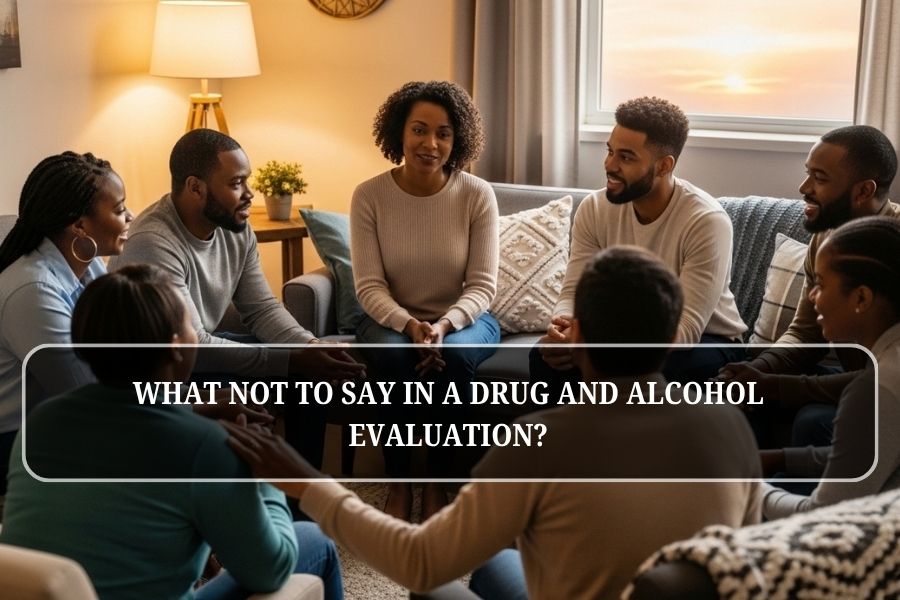
If you’ve been ordered by a court or have chosen on your own to complete a drug and alcohol evaluation, you’re probably feeling nervous. That’s completely normal. One of the biggest concerns people have walking through the door is “What should I say? And more importantly, what should I NOT say?”
At AACS Atlanta, we’ve conducted thousands of drug and alcohol evaluations across the metro Atlanta area, and we’ve seen how the wrong words or the wrong approach can complicate the process. This guide will walk you through the most common mistakes people make during their evaluation and how to avoid them.
What Is a Drug and Alcohol Evaluation?
A drug and alcohol evaluation is a structured clinical assessment conducted by a licensed counselor or evaluator. It is designed to determine whether a person has a substance use disorder and, if so, how severe it is. The results help courts, employers, and treatment providers make informed decisions about next steps, such as recommending education classes, outpatient treatment, or more intensive care.
Evaluations are commonly required after a DUI charge, drug-related arrest, workplace incident, or as part of a DFCS case or custody matter.
What Not to Say in a Drug and Alcohol Evaluation
“I only drink on weekends, so it’s not a problem.”
Minimizing your use is one of the most common and most counterproductive things you can do. Evaluators are trained clinicians. They know the difference between casual use and problematic patterns. When you minimize, it doesn’t make the problem disappear; it raises red flags about your self-awareness and willingness to engage honestly in the process.
Instead, describe your usage accurately. Be specific about frequency, amount, and context.
“I’ve never had a problem with drugs or alcohol.”
If you’re in front of an evaluator because of a DUI, a drug charge, or a court order, stating that you’ve “never had a problem” without any supporting context will appear evasive. Evaluators understand that one incident doesn’t always mean addiction, but denying any connection to the situation that brought you there works against your credibility.
Acknowledge the event honestly. Provide context. Let the evaluator see the full picture.
“I was set up / It wasn’t my fault.”
Deflecting responsibility is not the same as providing context. There is a difference between explaining circumstances and refusing to take any ownership. Evaluators are not judges they are not there to convict you. But if every answer involves blaming someone else, it signals a lack of accountability that can directly influence the recommendation you receive.
“I already Googled what to say.”
Believe it or not, some people walk into evaluations having researched scripted answers online. Evaluators have heard it all. Responses that sound rehearsed, overly clinical, or inconsistent with your actual history will raise suspicion, not lower it. Authenticity matters far more than a perfect answer.
“I stopped using as soon as I got caught.”
This statement, though sometimes meant to show progress, can actually undermine your evaluation. It implies that stopping was purely strategic rather than motivated by genuine concern for your health or well-being. If you have stopped using, talk about why what you’ve noticed in yourself, how you feel, and what motivated the change.
Lying About Your Medical or Mental Health History
Many people don’t realize that mental health and substance use are deeply connected. If you have a history of anxiety, depression, trauma, or other mental health concerns, withholding that information deprives the evaluator of critical context. A thorough evaluation leads to a more accurate recommendation and ultimately, a better outcome for you.
“I just want to get this over with.”
We understand this process can feel like a hurdle. But expressing impatience or treating the evaluation as a box to check tells the evaluator that you’re not genuinely invested in your own well-being. That attitude, whether intentional or not, can influence the outcome of your evaluation and any subsequent recommendations.
Exaggerating Your Use to Seem More Serious
It may seem counterintuitive, but some people overstate their substance use, hoping it will show the evaluator they’re “aware of their problem.” Exaggeration is just as problematic as minimization; it can lead to a more intensive level of care than you actually need. Be truthful. The evaluation is calibrated for honesty, not performance.
So, WHAT SHOULD YOU SAY?
The best approach in any drug and alcohol evaluation is simple: be honest, be specific, and be present.
Here’s what that looks like in practice:
- Describe your actual use frequency, amounts, substances, and how long it’s been going on.
- Be honest about the impact on your job, relationships, physical health, or legal situation.
- Acknowledge what led to the evaluation without excessive blame or defensiveness.
- Share your mental health history if relevant.
- Ask questions if you don’t understand something — a good evaluator welcomes that.
Honesty doesn’t mean the evaluation will go badly for you. In fact, it’s the single most important factor in getting a recommendation that actually fits your situation and supports your path forward.

Why the Evaluation Matters More Than You Think
A drug and alcohol evaluation isn’t just a formality. For many people, it is the entry point into support that can genuinely change the trajectory of their life. At AACS Atlanta, we’ve seen clients walk in frustrated and walk out relieved not because we told them what they wanted to hear, but because they finally had a clear, honest picture of where they stood and what their options were.
Our evaluators are licensed clinical professionals with over 25 years of combined experience. We offer same-day appointments, evaluations in both English and Spanish, and a compassionate, non-judgmental environment.
Ready for Your Evaluation? AACS Atlanta Is Here to Help.
Whether your evaluation is court-ordered or self-referred, AACS Atlanta makes the process straightforward and supportive. We offer:
- Alcohol and Drug Evaluations
- DUI Clinical Evaluations
- DFCS Assessments
- SAP Evaluations for DOT
- Mental Health Assessments
- Services in English and Spanish
📞 Call us today at 800-683-7745. 📍 Marietta & Decatur, Georgia 🕘 Monday–Friday: 9am–6pm | Saturday: 9am–5pm
Don’t let anxiety about the “right thing to say” hold you back. The right thing to say is the truth — and we’re here to listen.