

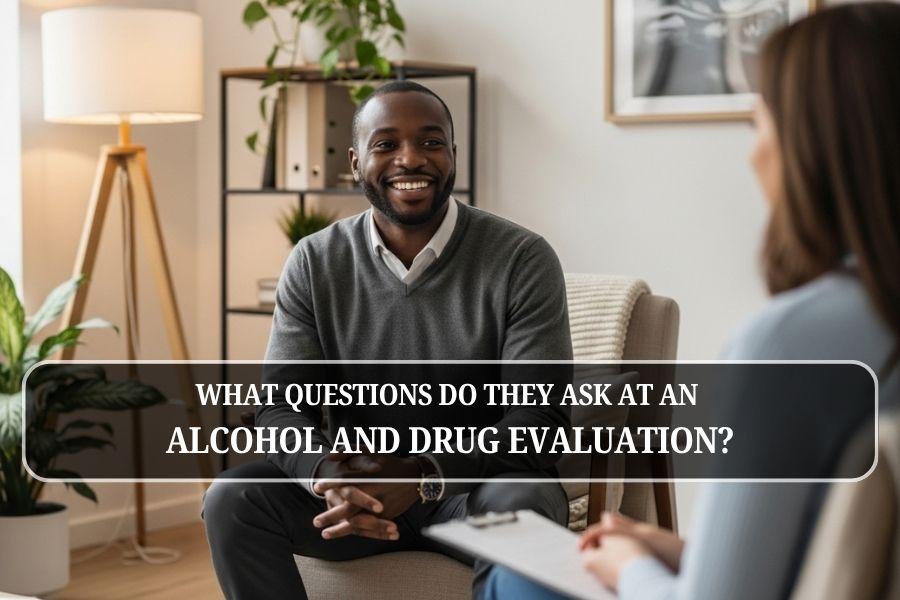
Stepping into an alcohol and drug evaluation can feel intimidating. It is completely normal to feel nervous when you do not know what to expect. Here at AACS Atlanta, we want to help ease that anxiety by removing the mystery from the process. When you understand the questions you will face, you can approach the meeting with a calm and clear mind.
This guide will explain exactly why these assessments happen and what you can expect during your appointment. Most importantly, we have compiled a detailed list of 50 potential questions you might be asked, complete with sample answers. By the end of this post, you will feel prepared and ready to take this positive step forward.
Why Are Alcohol and Drug Evaluations Conducted?
The primary goal of a substance evaluation is never to judge or punish you. Instead, professionals use these conversations to get an objective look at your current life and health. Evaluators want to understand your habits to determine if a physical or psychological dependence exists.
These assessments are often requested by courts, employers, licensing boards, or medical facilities. Regardless of who requested it, the objective is the same: finding the right support for you. By gathering a clear picture of your history, the evaluator can recommend personalized education, counseling, or treatment programs that fit your unique situation.
What to Expect During the Process
A typical evaluation involves a face-to-face interview, sometimes paired with standard written questionnaires. You will sit down with a trained counselor or specialist whose job is to remain neutral, empathetic, and objective. They understand how hard it is to talk about personal habits and strive to create a safe space.
The meeting usually lasts between 60 to 90 minutes. Everything you discuss is strictly confidential. The evaluator will guide the conversation through various aspects of your life, from your family background to your daily routines.
To help you prepare, we have broken down 50 common questions into four main categories.
50 Common Evaluation Questions (With Sample Answers)
Here are 50 questions you might encounter, along with examples of how to answer them honestly and clearly.
Personal Background and History
Your personal history gives the evaluator context about your daily life and foundation.
What is your current living situation?
Answer: “I currently rent an apartment and live alone.”
Who currently lives in your household with you?
Answer: “I live with my spouse and our two young children.”
Are you currently employed or attending school?
Answer: “Yes, I work full-time as an accountant.”
How satisfied are you with your current job or studies?
Answer: “I enjoy my work, but it can be highly stressful during certain times of the year.”
Do you have a family history of alcohol or drug dependence?
Answer: “Yes, my father struggled with alcohol dependence for most of his life.”
How would you describe your childhood?
Answer: “It was mostly stable, though my parents argued frequently.”
Have you experienced any major medical issues in the past?
Answer: “I had a back injury five years ago, but I am fully recovered now.”
Are you currently facing any major financial difficulties?
Answer: “Things are a bit tight right now due to some unexpected car repairs, but manageable.”
Do you have children, and how is your relationship with them?
Answer: “I have one teenage daughter. We are close, but we have typical parent-teen disagreements.”
Do you have a strong support system nearby?
Answer: “Yes, my sister lives close by and is very supportive.”
Substance Use Patterns
These questions help the professional understand your specific habits and relationship with substances.

At what age did you first consume alcohol or use drugs?
Answer: “I had my first drink at a high school party when I was 16.”
What specific substances do you currently use?
Answer: “I only drink alcohol; primarily beer and wine.”
How often do you drink alcohol or use substances?
Answer: “I usually drink three or four nights a week.”
How much do you typically consume on a day that you are using?
Answer: “I usually have about three or four beers in an evening.”
Has the amount you need to feel an effect increased over time?
Answer: “Yes, I used to feel a buzz after two beers, but now it takes four.”
Have you ever tried to cut down or stop entirely?
Answer: “I tried taking a month off last year, but I only made it two weeks.”
Do you find it difficult to stop drinking or using once you start?
Answer: “Sometimes. If I am out with friends, it is hard to stop after just one.”
Do you ever hide your substance use from others?
Answer: “Occasionally, I will throw away empty bottles before my partner gets home.”
Have you ever experienced withdrawal symptoms when you stop?
Answer: “I sometimes feel shaky and anxious the morning after drinking heavily.”
Have you ever experienced a blackout due to substance use?
Answer: “Yes, there have been a few nights where I couldn’t remember how I got home.”
Do you use substances to cope with physical pain or emotional distress?
Answer: “I often drink to unwind after a really stressful day at the office.”
Have you ever sought medical help due to your use?
Answer: “No, I have never been to the hospital for anything related to drinking.”
Have you participated in a rehab or detox program in the past?
Answer: “No, this is my first time discussing this with a professional.”
How do you feel physically when you go a few days without using?
Answer: “I usually have trouble sleeping for the first night or two, but then I feel fine.”
Do you ever experience intense cravings for alcohol or drugs?
Answer: “I do get a strong urge for a drink around 5:00 PM when my workday ends.”
Mental Health and Emotional Well-Being
Your emotional health plays a massive role in how and why you use substances.
Do you frequently feel stressed, overwhelmed, or burnt out?
Answer: “Yes, balancing work and family obligations leaves me feeling burnt out often.”
Have you ever been diagnosed with a mental health condition?
Answer: “My doctor diagnosed me with mild anxiety a few years ago.”
Are you currently taking any prescription medications?
Answer: “No, I am not currently taking any medications.”
Have you experienced a significant trauma or loss in your life?
Answer: “I lost my mother unexpectedly last year, which has been very hard.”
How often do you experience feelings of sadness or hopelessness?
Answer: “I feel down a couple of days a week, especially when I am alone.”
Do you struggle with sleep disturbances?
Answer: “Yes, I often wake up around 3:00 AM and cannot get back to sleep.”
Do you feel like you need a substance in order to relax?
Answer: “I definitely rely on a glass of wine to help me transition into relaxation mode.”
Have you ever had thoughts of self-harm?
Answer: “No, I have never wanted to hurt myself.”
How do you typically handle feelings of intense anger?
Answer: “I usually withdraw and isolate myself until I cool down.”
Do you notice that your mood drops after you consume alcohol?
Answer: “The next morning I usually feel guilty and a bit depressed.”
Do you experience extreme mood swings?
Answer: “Not extreme, but I can be irritable when I am tired.”
Do you often feel isolated or lonely?
Answer: “Yes, even when I am with friends, I sometimes feel disconnected.”
Are you currently seeing a therapist or counselor?
Answer: “No, but I am open to the idea.”
Lifestyle, Environment, and Future Goals
Your social circles help the evaluator identify potential triggers and coping resources.
What do you enjoy doing in your free time?
Answer: “I enjoy hiking, reading, and watching movies.”
Do you have hobbies that do not involve alcohol or drugs?
Answer: “Yes, my hiking group doesn’t involve drinking.”
Do the majority of your close friends drink heavily?
Answer: “Most of my social circle drinks socially, and a few drink quite heavily.”
Has your substance use caused arguments in your relationships?
Answer: “My partner has expressed frustration about how much money I spend at bars.”
Have coworkers ever expressed concern about your drinking?
Answer: “No, I keep my professional and personal life very separate.”
Have you ever faced legal trouble related to substance use?
Answer: “I received a DUI last month, which is why I am here.”
Have you ever operated a vehicle while under the influence?
Answer: “Yes, I have driven home from the bar when I probably shouldn’t have.”
Do you feel safe in your current home environment?
Answer: “Yes, my home is safe and comfortable.”
Do you avoid social gatherings if alcohol is not available?
Answer: “I prefer events where alcohol is served, but I won’t completely skip a dry event.”
What does a typical day look like for you?
Answer: “I wake up, go to work, come home, have a few drinks while making dinner, and watch TV until bed.”
Do you maintain a balanced diet and regular physical activity?
Answer: “I try to eat well, but I don’t exercise as much as I should.”
What are your primary goals for the next five years?
Answer: “I want to advance in my career and improve my overall health and wellness.”
How to Prepare for Your Evaluation
Solid preparation will help you walk into your appointment feeling centered. Gather any relevant documents, such as medical records or court papers, to show you are organized and cooperative.
Spend some time reflecting on your history before you arrive. You do not need to memorize answers to the questions above. Simply let them prompt your memory so you can articulate your thoughts clearly during the interview. Finally, arrive early. Giving yourself time to breathe in the waiting room will help keep your adrenaline in check.
The Crucial Role of Honesty
If you take only one piece of advice from AACS Atlanta into your evaluation, let it be this: tell the truth. It is incredibly tempting to minimize your habits out of fear or embarrassment.
However, trained evaluators know how to spot inconsistencies. Honesty demonstrates self-awareness and accountability. By speaking openly about your experiences, you ensure you receive the exact type of guidance necessary to improve your well-being. View this evaluation as a valuable stepping stone toward a healthier, more balance