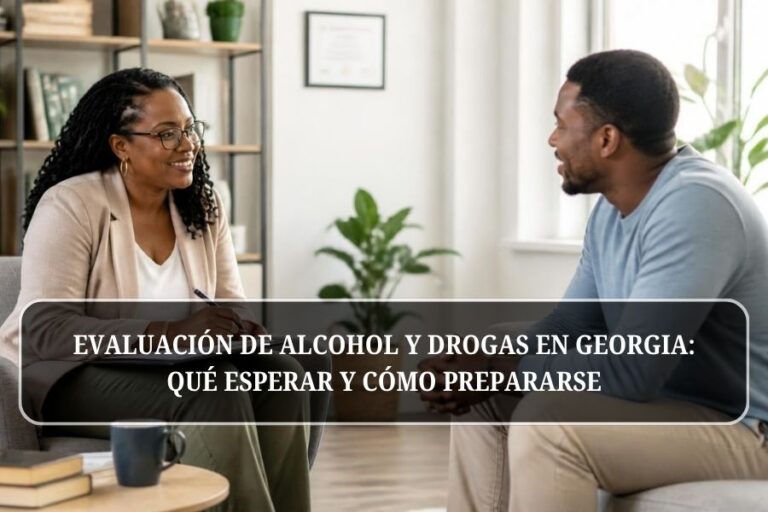

Navigating the complexities of substance use requires clarity, accuracy, and a path forward. Whether for personal, legal, or professional reasons, understanding the extent of a potential substance use issue is the first step toward resolution. This is where a professional alcohol and drug evaluation plays a vital role. These evaluations, heavily reliant on clinical testing, provide an objective and comprehensive view of an individual’s substance use patterns, forming the bedrock of effective intervention and recovery.
Clinical tests are more than just a simple pass-or-fail screening; they are sophisticated diagnostic tools. They offer unbiased, scientific data that helps professionals understand the nuances of a person’s situation. This process removes guesswork and provides a clear picture, which is essential for creating a truly personalized and effective plan for the future.
The Objective Lens: Why Clinical Tests Are Crucial
An alcohol and drug evaluation aims to determine the nature and severity of a substance use disorder. While interviews and self-reported questionnaires are valuable parts of this process, clinical testing provides indispensable, objective evidence.
First, these tests confirm the presence of substances. They can identify a wide range of drugs, including alcohol, opioids, stimulants, and marijuana, providing concrete data that either corroborates or clarifies self-reported information. This accuracy is fundamental, as it ensures the evaluation is based on facts rather than assumptions or potentially unreliable accounts.
Second, clinical testing can help establish the extent and pattern of use. Certain tests can indicate not just the presence of a substance but also the levels present in the body. This information helps evaluators distinguish between occasional use and chronic, heavy use, which is a critical factor in diagnosing a substance use disorder and determining the appropriate level of care.
Guiding a Personalized Treatment Plan
Perhaps the most significant benefit of clinical testing in an alcohol and drug evaluation is its role in shaping treatment recommendations. No two individuals are alike, and an effective recovery plan must be tailored to the person’s specific needs.
The data gathered from clinical tests allows counselors and medical professionals to:
- Determine the Appropriate Level of Care: Results help decide whether an individual requires detoxification, inpatient treatment, an intensive outpatient program (IOP), or regular counseling. For example, evidence of heavy, long-term use might point toward a more intensive level of initial care.
- Identify Polysubstance Use: It’s common for individuals to use more than one substance. Clinical tests can uncover this, ensuring the treatment plan addresses all dependencies concurrently for a more holistic and successful recovery.
- Monitor Progress: Throughout a treatment program, ongoing testing can serve as a tool to monitor sobriety and progress. It provides accountability for the individual and allows clinicians to adjust the treatment plan as needed, celebrating milestones and addressing any relapses promptly.
This tailored approach significantly increases the chances of a successful, long-term recovery. Without the objective insights from clinical tests, treatment plans might be too generic or fail to address the core issues.
Meeting Legal and Workplace Requirements
In many cases, an alcohol and drug evaluation is not just a personal choice but a requirement. Courts, employers, and state agencies often mandate these assessments to ensure public safety and compliance.
For individuals facing legal consequences, such as a DUI, a court-ordered alcohol and drug evaluation is a standard part of the process in many states. In Georgia, for instance, completing an evaluation and any recommended treatment is often a prerequisite for license reinstatement. A thorough alcohol and drug evaluation Georgia that includes clinical testing provides the court with the credible, third-party documentation it needs to make informed decisions.
Similarly, many professions, particularly those involving public safety or the operation of heavy machinery, have strict drug and alcohol policies. An evaluation may be required after an incident, as part of a return-to-work agreement, or for licensing purposes. Clinical tests offer employers verifiable proof that an employee is fit for duty and compliant with company policies.
The Evaluation Process: What to Expect
A comprehensive alcohol and drug evaluation is a structured process designed to be supportive, not punitive. It typically involves a detailed interview with a certified counselor, a review of personal history, and one or more clinical tests. These tests can include urine, blood, hair, or saliva samples, each offering different insights into substance use over time.
The goal is to build a complete profile that leads to the right support system. The process is confidential and conducted with professionalism and respect for the individual. The resulting report provides clear findings and actionable recommendations, whether for a court, an employer, or personal growth. It is the first concrete step on the path to addressing a substance use problem and moving toward a healthier future.
For more details on services and therapeutic activities, visit our website at www.alcoholanddrugevaluations.com. Here, you can find our website or you can call us at 1-800-683-7745 to get in touch with us right away.