
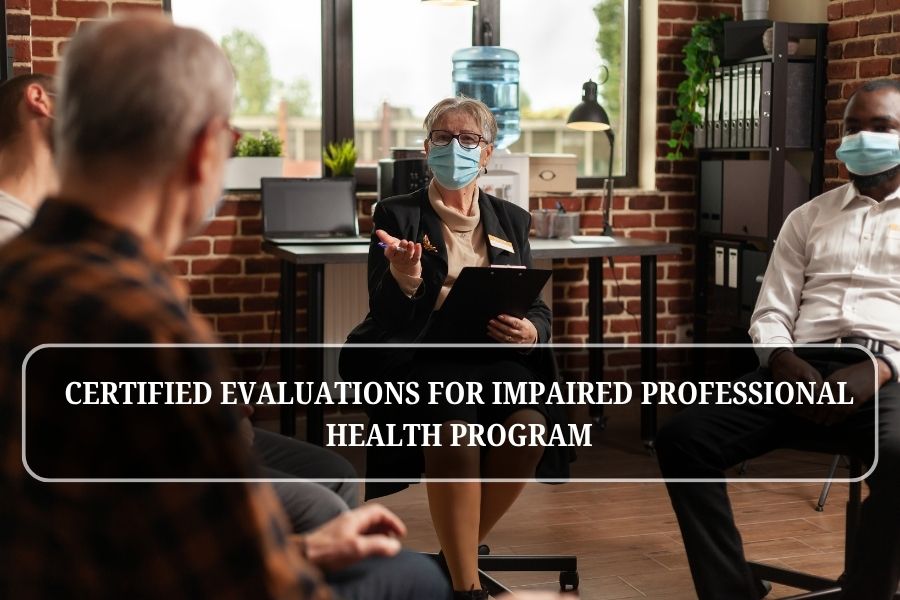
If you work in a licensed profession and face substance use concerns, your career, your license, and your reputation are all at stake. The Impaired Professional Health Program exists to help you address these challenges through a structured, confidential, and qualif evaluation process. AACS Atlanta delivers these evaluations with the expertise, discretion, and court-recognized credibility that impaired professionals need.
What Is the Impaired Professional Health Program?
The Impaired Professional Health Program is a specialized framework designed to evaluate and support licensed professionals, including physicians, nurses, attorneys, pharmacists, and educators, who struggle with substance use or mental health conditions that affect their ability to practice safely.
Regulatory boards and licensing authorities across Georgia refer professionals to this program when they identify performance concerns, disciplinary complaints, or substance-related incidents. The program prioritizes recovery and professional rehabilitation over punishment, giving impaired professionals a structured path back to active, safe practice.
A qualified evaluation forms the foundation of the entire process. Without a proper, board-recognized assessment, professionals cannot access treatment referrals, licensing board compliance documentation, or reinstatement support.
Why Licensed Professionals Need a qualified Evaluation
A standard substance abuse evaluation does not meet the requirements of the Impaired Professional Health Program Georgia. Licensing boards and regulatory authorities require evaluations conducted by qualified providers who understand the unique pressures, risks, and ethical obligations that come with licensed practice.
AACS Atlanta provides evaluations specifically structured for impaired professionals. Evaluators assess the nature and severity of substance use or mental health concerns. Examine how impairment affects professional performance, and produce a comprehensive written report that licensing boards and monitoring programs accept.
Choosing an uncertified or unqualified evaluator puts your case and your career at serious risk. AACS Counseling ensures your evaluation meets every requirement from the first appointment.
How AACS Atlanta Conducts the Impaired Professional Health Program Evaluation
AACS Atlanta follows a clear, structured process that respects your time, your privacy, and the gravity of your situation.
- Step 1 Confidential Intake: You schedule a private appointment and complete an initial intake screening. AACS Atlanta treats all professional referrals with strict confidentiality in line with HIPAA standards and state regulatory requirements.
- Step 2 Comprehensive Clinical Assessment: A qualified evaluator conducts a thorough clinical interview that covers your substance use history, mental health status, professional functioning, and any prior treatment or disciplinary history. The evaluator asks direct, structured questions designed to produce an accurate and complete clinical picture.
- Step 3 Evaluation Report Preparation: AACS Atlanta prepares a detailed written report that meets the documentation standards required by Georgia licensing boards, monitoring programs, and the Impaired Professional Health Program framework. The report includes findings, clinical recommendations, and a proposed treatment or monitoring plan where appropriate.
- Step 4 Referral and Ongoing Support: If the evaluation identifies a need for treatment or monitoring, AACS Atlanta connects you with appropriate resources and continues to support your compliance documentation throughout the process.
Your Evaluation Leads to Counselor Matching
Your evaluation concludes with clinical recommendations, but your therapeutic relationship is just beginning. Based on evaluation findings, we match you with a specialized counselor whose expertise aligns with your needs.
Counselor Matching Criteria
Your assigned counselor possesses:
- Credentials matching your clinical needs (LPC for mental health, MAC for addiction)
- Specialization in your profession (physician, nurse, attorney, etc.)
- Experience with your specific diagnosis (trauma, anxiety, substance use)
- Personal style compatible with your therapeutic preferences
Your Counselor’s Role Post-Evaluation
Your counselor reviews evaluation findings and develops your personalized counseling treatment plan.
You’ll discuss:
- Individual counseling frequency and modality (CBT, motivational interviewing, trauma-focused)
- Group counseling options
- Family counseling if appropriate
- Specialized counseling needs (medication management coordination, etc.)
Immediate Counseling Access
Most professionals schedule the first individual counseling sessions within 1-2 weeks. Your counselor provides immediate therapeutic support rather than delaying care.
Board Communication
Your counselor handles all board documentation. Evaluation report goes to your board. Your counselor then submits ongoing progress reports on your board’s specified schedule, confirming your counseling attendance and treatment progress.
Who the Impaired Professional Health Program Evaluation Serves
The Impaired Professional Health Program evaluation at AACS Atlanta serves a wide range of licensed professionals, including:
- Physicians and surgeons referred by the Georgia Composite Medical Board
- Nurses and allied health professionals monitored by the Georgia Board of Nursing
- Attorneys referred by the State Bar of Georgia’s Lawyer Assistance Program
- Pharmacists facing licensure review by the Georgia State Board of Pharmacy
- Educators and school counselors subject to PSC disciplinary proceedings
Any licensed professional whose regulatory board requires a qualified substance use or mental health evaluation
No matter which professional field you work in, AACS Atlanta delivers evaluations that meet your board’s specific documentation requirements.
Why Professionals Trust AACS Atlanta
AACS Atlanta brings together clinical expertise, regulatory knowledge, and genuine compassion for professionals navigating one of the most difficult moments in their careers.
- Board-Recognized Credentials: Every evaluator at AACS Atlanta holds the qualifications required by Georgia’s licensing boards and monitoring programs. Your report carries the credentials that move your case forward.
- Strict Confidentiality: AACS Atlanta understands what is at stake professionally. The team handles every case with discretion, protecting your privacy at every stage of the evaluation process.
- Fast Turnaround: Regulatory deadlines move quickly. AACS Atlanta offers prompt scheduling and rapid report preparation so you meet every board-imposed deadline without added stress.
- Integrated Services: Beyond the evaluation, AACS Atlanta provides access to counseling, treatment coordination.
Continuity Counseling: Same Counselor from Start to Finish
Unlike some programs that pass you between multiple providers, AACS Atlanta assigns one primary counselor for your entire professional health program journey.
This continuity matters:
- Therapeutic Alliance: Your counselor deeply understands your situation, eliminating the need for repeated explanations
- Consistent Treatment: Your counselor implements continuous evidence-based counseling rather than starting over with a new provider
- Board Credibility: Your counselor’s long-term relationship with your case strengthens documentation to your licensing board
- Accountability: Your assigned counselor knows your progress trajectory and celebrates your recovery milestones
Your counselor becomes your primary clinical resource. This consistent relationship is foundational to successful professional health program outcomes.
Take Action Before Your Deadline Passes
Regulatory boards move fast, and missing an evaluation deadline can trigger immediate license suspension. The Impaired Professional Health Program gives you a legitimate, structured route back to professional standing but only if you act promptly.
Contact AACS Atlanta today, schedule your qualified evaluation, and take the first step toward protecting your license and reclaiming your career.